
Discover how to choose, place, and install pendant lighting for your home renovation. Expert tips on modern pendant lights for kitchens, dining rooms, and living spaces. Transform your home today.
When it comes to home renovations, lighting is often an afterthought, yet it’s one of the most transformative elements you can incorporate into your design. Pendant lighting, in particular, has emerged as a cornerstone of contemporary interior design, offering both functional illumination and striking visual impact. Whether you’re a DIY enthusiast ready to tackle your own installation or working with a contractor to achieve your dream space, understanding the nuances of pendant lighting will elevate your renovation from ordinary to extraordinary.
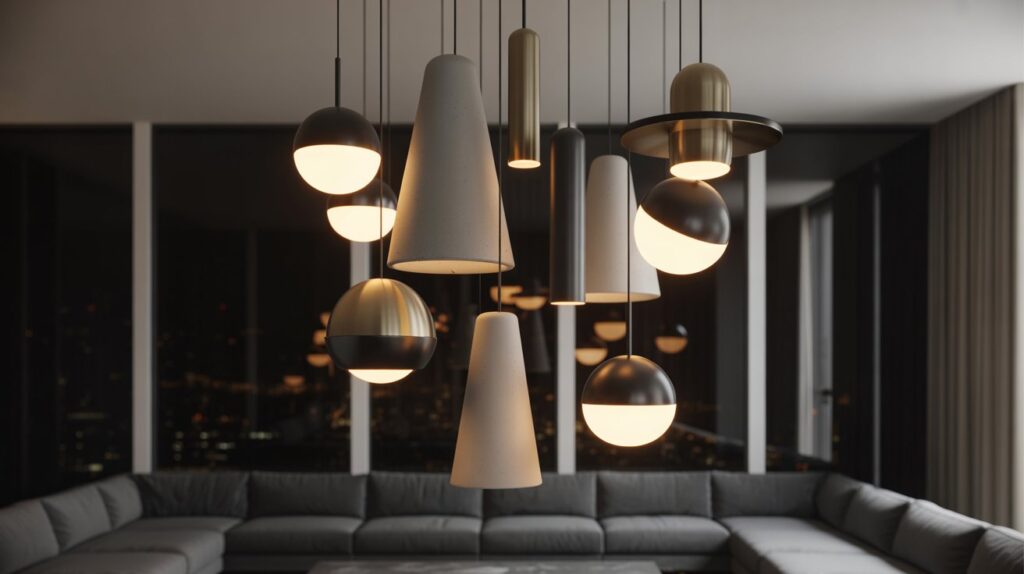
Why Pendant Lighting Matters in Modern Home Design
Pendant lighting has evolved far beyond the simple hanging bulb. Today’s pendant fixtures serve as sculptural focal points, mood creators, and practical task lighting solutions. The right pendant can define zones in open-concept spaces, add vertical interest to rooms with high ceilings, and create the warm, layered lighting that makes a house feel like a home.
According to the American Lighting Association, homeowners who invest in quality lighting design see an average increase of 7-10% in home value. More importantly, thoughtfully selected pendant lights can reduce energy costs by up to 30% when compared to traditional overhead lighting, especially when combined with LED technology and dimmer controls.
Understanding the Three Fundamental Roles of Pendant Lighting
Before selecting your pendant lights, it’s crucial to understand the three types of lighting every well-designed space requires:
Ambient Lighting provides overall illumination and sets the baseline brightness for your room. Large scale pendants or multiple fixtures can serve this purpose effectively.
Task Lighting focuses on specific work areas, think kitchen islands, reading nooks, or dining tables. Pendant lights excel at task lighting because they direct light downward precisely where you need it.
Accent Lighting adds drama and highlights architectural features or design elements. Decorative pendants with unique shapes or materials often fulfill this role while simultaneously providing functional light.
The most successful lighting designs incorporate all three types, creating layers that can be adjusted for different activities and moods throughout the day.
Choosing the Right Pendant Style for Contemporary Spaces
Modern Minimalist Pendants
Clean lines, geometric shapes, and neutral colors define this category. Glass globe pendants, simple drum shades, and industrial inspired metal fixtures work beautifully in contemporary kitchens and dining areas. These styles complement rather than compete with your overall design scheme.
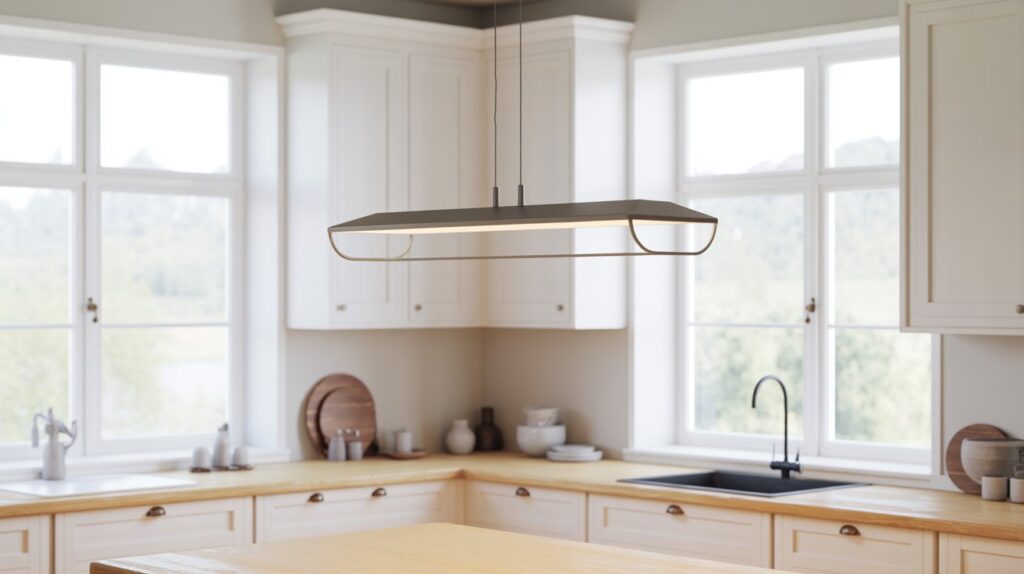
Budget consideration: Quality minimalist pendants range from $150-$800 per fixture. For DIY installation, expect to spend 4-6 hours if you’re comfortable with basic electrical work.
Statement Chandeliers and Cascading Designs
For spaces with high or vaulted ceilings, cascading pendant arrangements or multi-light chandeliers create breathtaking focal points. These designs work particularly well in entryways, stairwells, and double height living rooms where they can be appreciated from multiple levels.
Installation difficulty: High (8/10) Due to weight, electrical complexity, and ceiling height, professional installation is strongly recommended for elaborate cascading designs. Expect installation costs between $300-$600.
Organic and Textured Fixtures
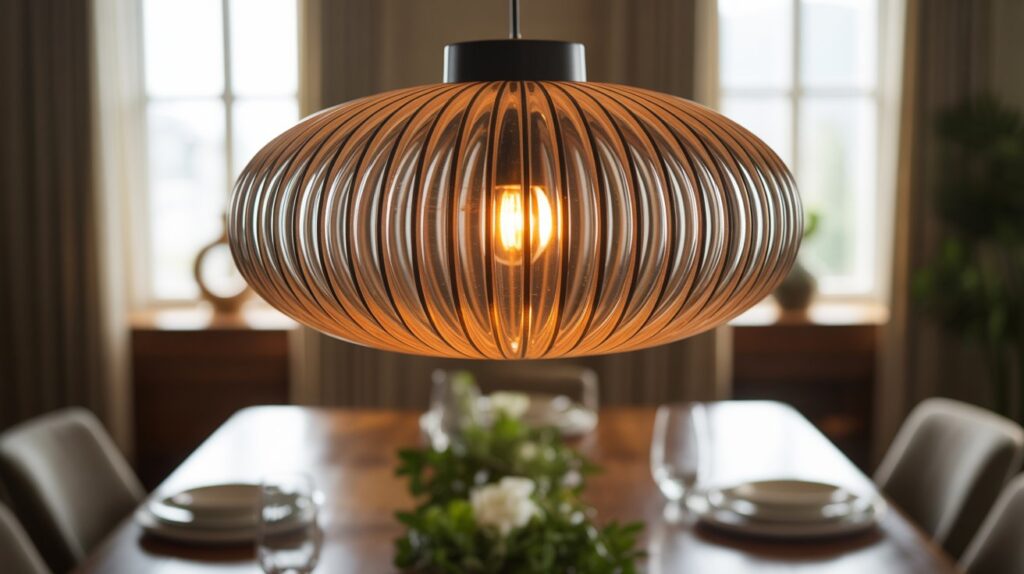
Rattan, woven materials, ribbed glass, and sculptural forms bring warmth and visual interest to modern spaces. These pendants soften contemporary interiors while maintaining clean, current aesthetics.
The Critical Science of Pendant Placement and Sizing
Getting the size and placement right is where many homeowners falter. Follow these professional guidelines to avoid costly mistakes:
Height and Clearance Rules
Over Kitchen Islands: Hang pendants 30-36 inches above the countertop. For each additional foot of ceiling height above 8 feet, add 3 inches to this measurement.
Above Dining Tables: Position pendants 30-34 inches above the table surface. The bottom of the fixture should be high enough that seated diners can see across the table comfortably.
In Hallways and Entryways: Maintain a minimum clearance of 7 feet from the floor to the bottom of the pendant to prevent head collisions.
Sizing Formula
Use this professional formula to determine appropriate pendant diameter:
Room Length (feet) + Room Width (feet) = Fixture Diameter in Inches
For example, a 12′ x 10′ dining room would accommodate a pendant approximately 22 inches in diameter.
For kitchen islands, a different rule applies: Your pendant should be 12-20 inches narrower than the width of your island to maintain visual balance. If using multiple pendants, space them 24-30 inches apart for optimal light distribution.
The Rule of Thirds for Multiple Pendants
When hanging multiple pendants over a kitchen island or long dining table, divide the length into thirds and position fixtures at these points. This creates pleasing symmetry while ensuring even illumination.
Room by Room Pendant Lighting Strategies
Kitchen Pendant Lighting
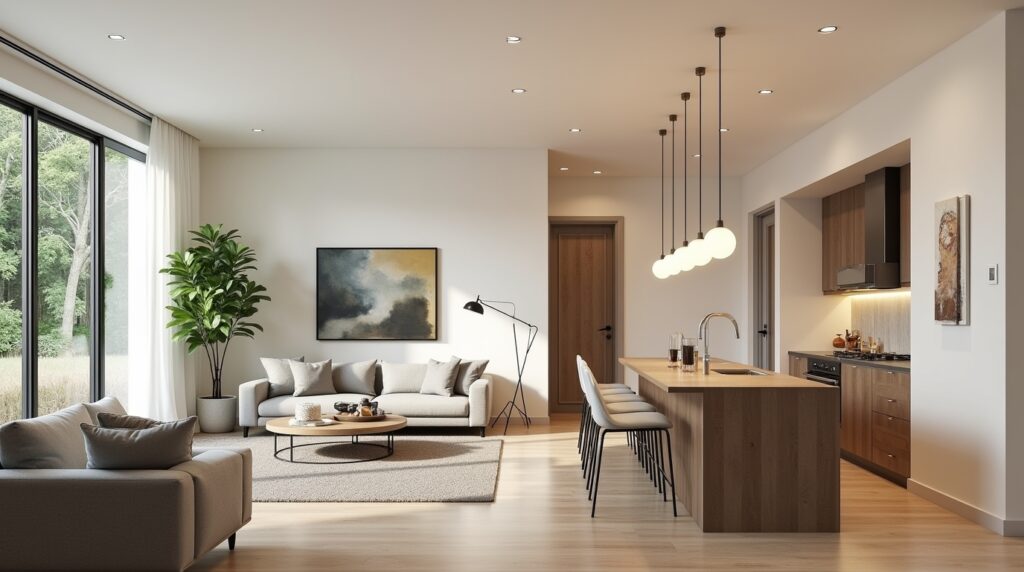
The kitchen demands the most complex lighting strategy in your home. Pendant lights over the island provide essential task lighting for food preparation while creating a gathering point for family and friends.
Recommended approach: Install 2-3 pendants over your island (depending on length), combined with under-cabinet task lighting and recessed ambient lighting. Consider pendants with downward focused light and minimal glare to prevent eye strain during food prep.
Budget breakdown:
- Fixtures (3 quality pendants): $450-$2,400
- Installation (if hiring electrician): $400-$800
- Dimmer switch and controls: $80-$200
- Total estimated cost: $930-$3,400
Dining Room Illumination
Your dining room pendant serves as both functional lighting and a statement piece. This is where you can be bold with design choices—think sculptural forms, interesting materials, or unexpected proportions.
Pro tip: Install your dining pendant on a dimmer switch. Bright light facilitates family meals and homework sessions, while dimmed lighting creates ambiance for dinner parties and intimate gatherings.
Living Room and Great Room Spaces
In open-concept living areas with high ceilings, cascading pendant arrangements create dramatic vertical interest. These multi light installations draw the eye upward, making spaces feel even more expansive while adding a luxurious focal point.
Design consideration: Coordinate but don’t match pendants in open-concept spaces. Use fixtures from the same family or in complementary finishes to create cohesion without monotony.
Bedroom Pendant Alternatives to Table Lamps
Hanging pendants as bedside lighting frees up nightstand space and creates a hotel-like aesthetic. This trend has gained significant traction in contemporary bedroom design.
Installation note: Ensure bedroom pendants include three-way switching (control from both bedside and entrance) for convenience. Budget an additional $150-$250 for the extra wiring if it’s not already in place.
Technical Installation Considerations
Electrical Box Requirements
Standard electrical boxes support fixtures up to 50 pounds. Heavier chandeliers and cascading designs require pancake boxes or fan rated boxes secured directly to ceiling joists. Verify your electrical box rating before purchasing heavy fixtures, this is a critical safety consideration.
LED vs. Traditional Bulbs
Modern pendant lighting should utilize LED technology for multiple compelling reasons:
- Energy efficiency: LEDs use 75% less energy than incandescent bulbs
- Longevity: Quality LEDs last 25,000-50,000 hours vs. 1,000-2,000 for incandescent
- Heat reduction: LEDs remain cool, preventing damage to fixture finishes
- Color consistency: Available in various color temperatures to match your design intent
Color temperature guide:
- 2700K-3000K (Warm White): Best for living rooms, bedrooms, and dining areas
- 3500K-4000K (Neutral White): Ideal for kitchens and bathrooms
- 5000K+ (Cool White): Suitable for workspaces and garages
Dimmer Compatibility
Not all LED bulbs work with all dimmers. Ensure your bulbs are specifically rated as “dimmable” and verify compatibility with your dimmer switch. Incompatible combinations can cause flickering, buzzing, or premature bulb failure.
Modern smart dimmers from brands like Lutron Caseta or Leviton offer app control and customizable lighting scenes, worth $80-$150 premium for the added convenience.
DIY Installation: Step-by-Step Basics
Difficulty Level: Moderate (5/10) for basic single pendant installation Time Required: 2-4 hours for first-time installers Required tools: Voltage tester, wire strippers, screwdrivers, ladder, drill
Safety First
Always turn off power at the circuit breaker, not just at the switch. Use a non contact voltage tester to verify power is off before touching any wires. If you’re uncomfortable with electrical work or your installation involves:
- Rewiring or adding new circuits
- Fixtures over 20 pounds
- High ceiling installations
- Outdated or aluminum wiring
Hire a licensed electrician. The $200-$400 professional installation cost is worthwhile for safety and code compliance.
Basic Installation Process
- Prepare the electrical box and ensure it’s rated for your fixture weight
- Assemble pendant components according to manufacturer instructions
- Connect wires (typically black to black, white to white, green/copper ground to ground)
- Secure the fixture to the electrical box mounting bracket
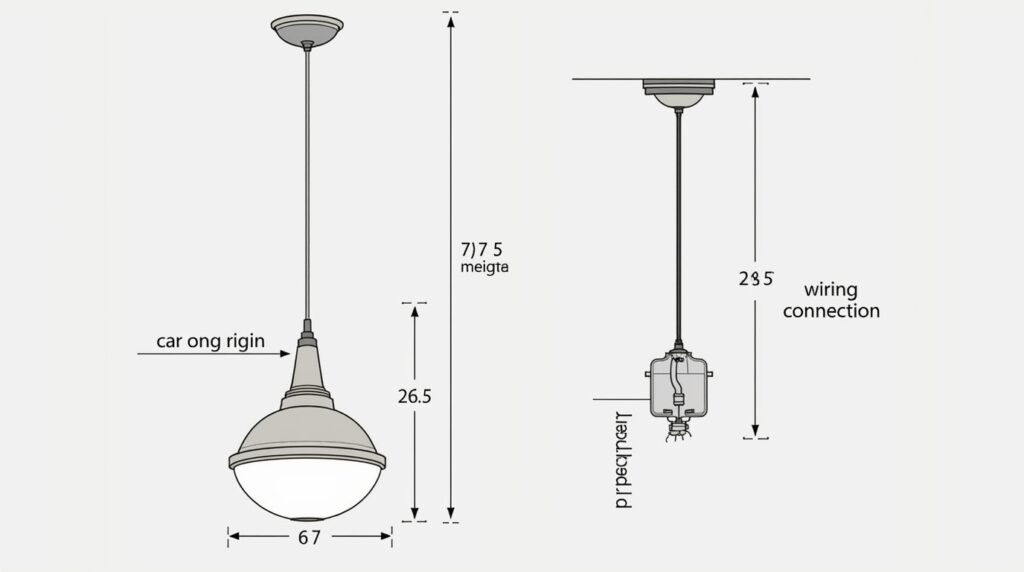
- Adjust hanging height by shortening cord or chain as needed
- Install bulbs and restore power
- Test operation including dimmer functionality if applicable
Common Pendant Lighting Mistakes to Avoid
Mistake #1: Ignoring Scale and Proportion
A petite pendant in a grand space disappears, while an oversized fixture in a small room overwhelms. Always measure and visualize before purchasing. Many retailers offer augmented reality apps that let you preview fixtures in your actual space.
Mistake #2: Poor Light Quality
Beautiful fixtures with inadequate lumen output or unflattering color temperature diminish the entire space. Check specifications carefully, dining areas generally require 3,000-6,000 lumens total, while kitchen islands need 4,000-8,000 lumens.
Mistake #3: Neglecting the Ceiling
Your pendant’s canopy, cord, or chain becomes part of the design. In rooms with textured or dark ceilings, this connection point deserves extra attention. Consider paintable canopies or decorative ceiling medallions for a polished look.
Mistake #4: Forgetting Maintenance Access
Intricate cascading designs with dozens of bulbs look spectacular but consider the practical reality of changing those bulbs. For high installations, plan for professional maintenance or invest in very long-life LED bulbs.
Budget Planning:
Entry Level ($200-$800 per room)
Mass market fixtures with simple installation. Adequate quality for rental properties or starter homes. Expected lifespan: 5-7 years.
Mid-Range ($800-$2,500 per room)
Designer-inspired pieces with better materials and finishes. Sweet spot for most renovations, balancing quality and cost. Expected lifespan: 10-15 years.
Premium ($2,500-$8,000+ per room)
High-end designer fixtures, custom pieces, or elaborate installations. Investment-grade lighting that becomes a defining feature of your home. Expected lifespan: 20+ years with proper maintenance.
Value consideration: Don’t cut corners in high-visibility areas like your main living space or kitchen. These rooms benefit most from premium lighting and directly impact home value and daily enjoyment.
Maintenance and Longevity
Regular Cleaning
Dust accumulation reduces light output by up to 30%. Clean fixtures every 3-4 months:
- Glass pendants: Mild soap and water, dry thoroughly
- Metal finishes: Microfiber cloth, avoid harsh chemicals
- Fabric shades: Vacuum with brush attachment or spot clean
Annual Inspections
Check for:
- Loose mounting hardware
- Frayed cords or chains
- Dimming or flickering bulbs requiring replacement
- Discoloration indicating heat issues
Environmental and Energy Considerations
Modern pendant lighting, when thoughtfully designed, significantly reduces energy consumption. A typical kitchen with recessed cans might consume 300-400 watts, while LED pendants providing equivalent illumination use just 60-80 watts.
Consider these eco-friendly approaches:
- Specify Energy Star-rated fixtures
- Use LED bulbs exclusively
- Install occupancy sensors in appropriate spaces
- Integrate with home automation for optimal efficiency
The initial investment in quality LED fixtures pays back in 2-3 years through energy savings, after which you’re simply banking money every month.
Working with Design Professionals vs. DIY
When to DIY
- Simple single-pendant replacements
- Standard ceiling heights
- Basic on/off switching
- Fixtures under 15 pounds
- You have basic electrical knowledge
When to Hire Professionals
- New wiring or circuit additions
- Complex multi-fixture installations
- High or cathedral ceilings
- Smart home integration
- Fixtures exceeding 20 pounds
- Historic homes with old wiring
Finding qualified contractors: Request three bids, verify licensing and insurance, check recent references, and ensure they pull proper permits for electrical work. Licensed electricians charge $75-$150 per hour depending on your region.
Emerging Trends in Contemporary Pendant Lighting
The pendant lighting landscape continues to evolve with these current trends:
Organic and Sustainable Materials: Reclaimed wood, recycled glass, and natural fibers align with eco-conscious design values while adding warmth to modern spaces.
Oversized Statement Pieces: Particularly in homes with high ceilings, designers are embracing bold, large-scale pendants that command attention.
Mixed Metals: Combining brass, black iron, and nickel finishes within the same space creates sophisticated, collected looks.
Integrated Smart Technology: Color-changing capabilities, voice control, and circadian rhythm programming represent the cutting edge of residential lighting.
Sculptural and Artistic Forms: Lighting fixtures are increasingly appreciated as art pieces, with homeowners investing in unique, conversation-starting designs.
Final Thoughts: Light Creates Experience
Pendant lighting represents one of the most impactful investments you’ll make during your renovation journey. Beyond illumination, the right fixtures establish mood, define spaces, and express your personal style. They’re functional art that you interact with daily, affecting everything from your morning coffee routine to evening entertaining.
Take time in the selection process, visit showrooms, order samples when possible, and don’t be afraid to mix price points to achieve the best overall result. Remember that quality fixtures outlast trends and cheap imitations.
Your home deserves lighting that makes you smile every time you flip the switch.
Take the Next Step in Your Lighting Journey
Every home has unique architectural features, ceiling heights, and design challenges that deserve personalized attention. While this guide provides comprehensive information for most scenarios, your specific situation may benefit from expert consultation.
Ready to create the perfect lighting design for your renovation?
For personalized guidance on selecting, sizing, and installing pendant lighting tailored to your specific space, budget, and style preferences, reach out to our team. We offer detailed lighting consultations that consider your home’s unique characteristics and your lifestyle needs.
Fill in the available from here:
“

Fene Radebe is the founder of Lifestyle Leaders Hub, a lifestyle destination covering home décor, fitness, food, beauty, and fashion. A seasoned property developer and interior designer, Fene curates expert-driven content to help readers elevate their everyday lives with purpose and style.