
Mastering the art of home decor can feel overwhelming. With so many choices to make, you might find yourself craving a clear guide through the maze of colors, textures, and styles. That’s exactly why I created this post. I want to help you untangle the complex relationship between trim, walls, and ceilings, showcasing how to coordinate them beautifully using the Principle of Three.
If you’re someone who loves to create inviting spaces, whether you’re a seasoned decorator or just starting out, this guide is for you. You care about making your home not just look good but also feel good, and that’s where understanding the interplay of colors and textures comes in. By following the simple steps outlined here, you’ll learn how to harmonize trim and wall coordination with ceiling matching, enhancing your overall decor.
What can you expect? I’ve gathered ten essential tips that are practical, straightforward, and perfect for anyone looking to elevate their home decor. You’ll find advice on choosing the right color palette, playing with textures, and making your ceilings a focal point. By the end of this post, you’ll have the tools to create a cohesive and stylish space that reflects your personal touch.
Key Takeaways
– Choosing the Right Color Palette: Start by selecting a color palette that complements your style. This sets the foundation for your space and helps in coordinating your trim, walls, and ceilings seamlessly.
– Playing with Texture: Incorporate various textures in your decor. Mixing materials like wood, metal, and fabric can add depth and interest to your home.
– Prioritizing the Ceiling: Don’t overlook your ceiling. A well-coordinated ceiling can elevate the entire room. Consider using color or texture to make it a standout feature.
– Harmonizing with Natural Light: Pay attention to how natural light interacts with your colors. The way light fills your space can dramatically change how colors are perceived.
– Personal Touches in Decor: Infuse your personality into your decor. Use items that reflect who you are, ensuring your home feels uniquely yours while maintaining a cohesive look.
1. Choosing the Right Color Palette
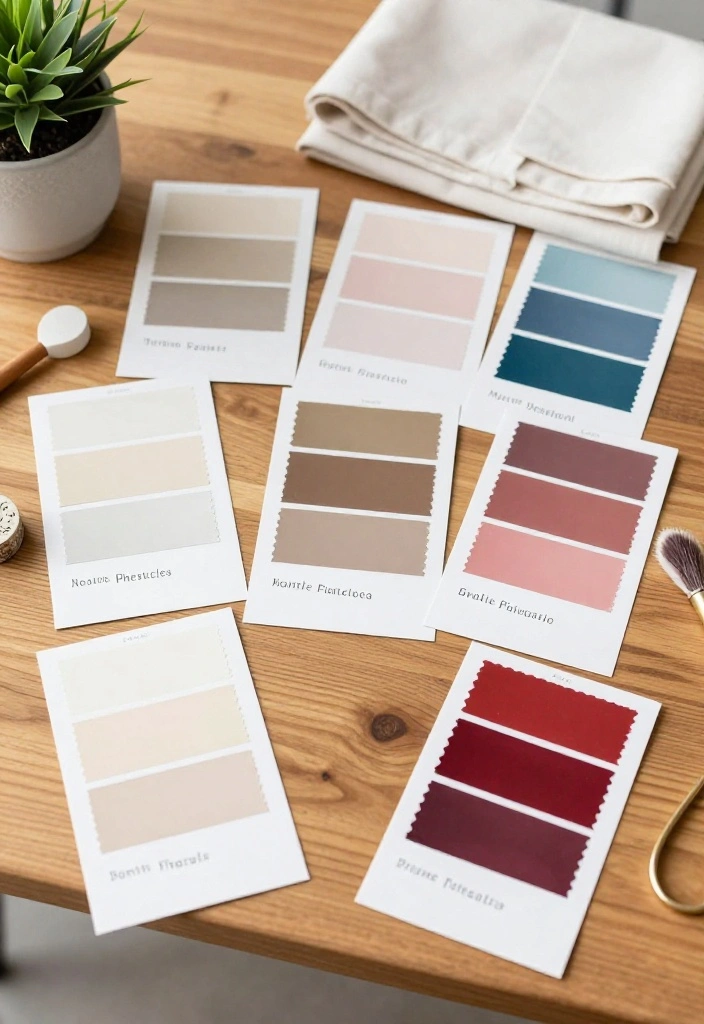
Selecting a color palette is the cornerstone of successful trim and wall coordination. By choosing three harmonious colors—a dominant hue, a secondary tone, and an accent shade—you create a cohesive visual story that enhances your space. For instance, a soft blue as the dominant color paired with a crisp white trim and vibrant yellow accents can breathe life into a room, making it feel both refreshing and inviting. This thoughtful combination fosters a sense of balance and timeless appeal throughout your home.
To implement this palette effectively, sample swatches in different lighting to see how they interact. If budget constraints arise, consider using paint to refresh old furniture or decor items in your chosen accent color. This ensures alignment with broader design trends while offering emotional comfort through familiar palettes.
Consider these tips for effective color palette coordination:
– Pair a soft beige on walls with white trim for a clean look
– Use a bold navy as a dominant color and add gold accents for elegance
– Incorporate pastel accents in decor items for a playful touch
This approach fosters visual harmony, while the interplay of textures and colors enriches your home’s ambiance.
2. Playing with Texture
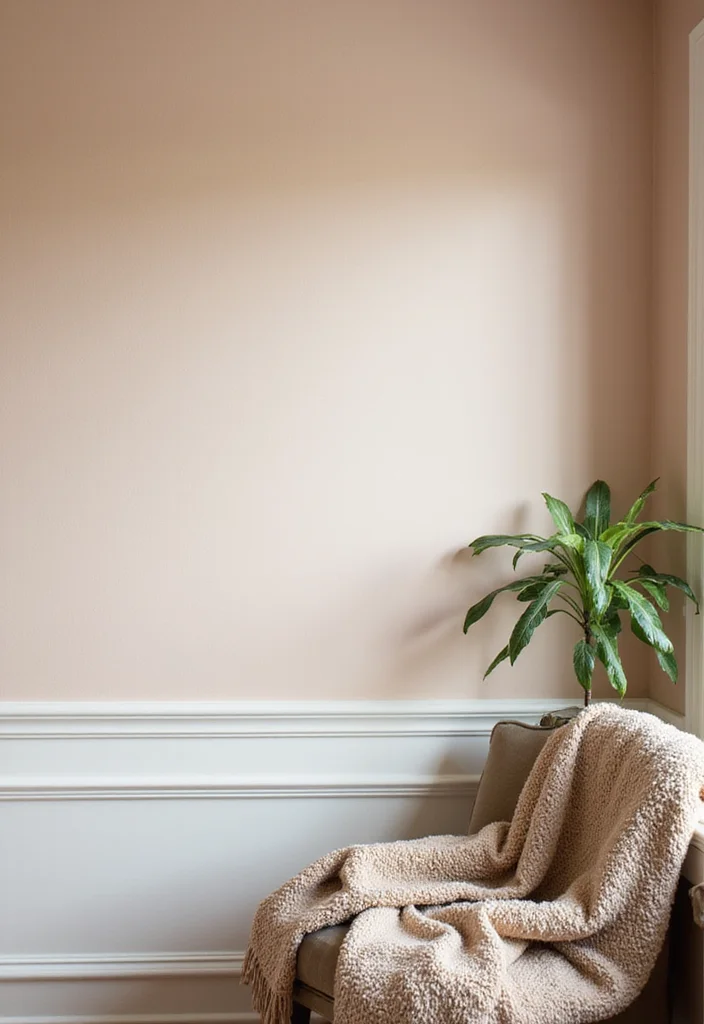
Texture adds richness and intrigue to your decor, especially when coordinating trim, walls, and ceilings. Different materials can amplify your color scheme while providing a tactile experience. For example, a textured wall finish combined with smooth trim creates visual interest, making the room feel more dynamic. Think about incorporating elements like a matte wall paint paired with glossy trim for a striking contrast that feels modern and inviting.
When integrating textures, you don’t need to break the bank. Affordable options like peel-and-stick wallpaper can introduce texture without a permanent commitment. Consider layering materials that resonate with current design trends, enhancing your space’s emotional warmth and comfort.
Explore these texture-enhancing strategies:
– Use textured wallpaper on an accent wall for depth
– Install shiplap paneling on ceilings for rustic charm
– Incorporate soft fabrics in decor items for warmth
This blend of textures not only captivates the eye but also invites touch, creating a more engaging living environment.
3. Prioritizing the Ceiling
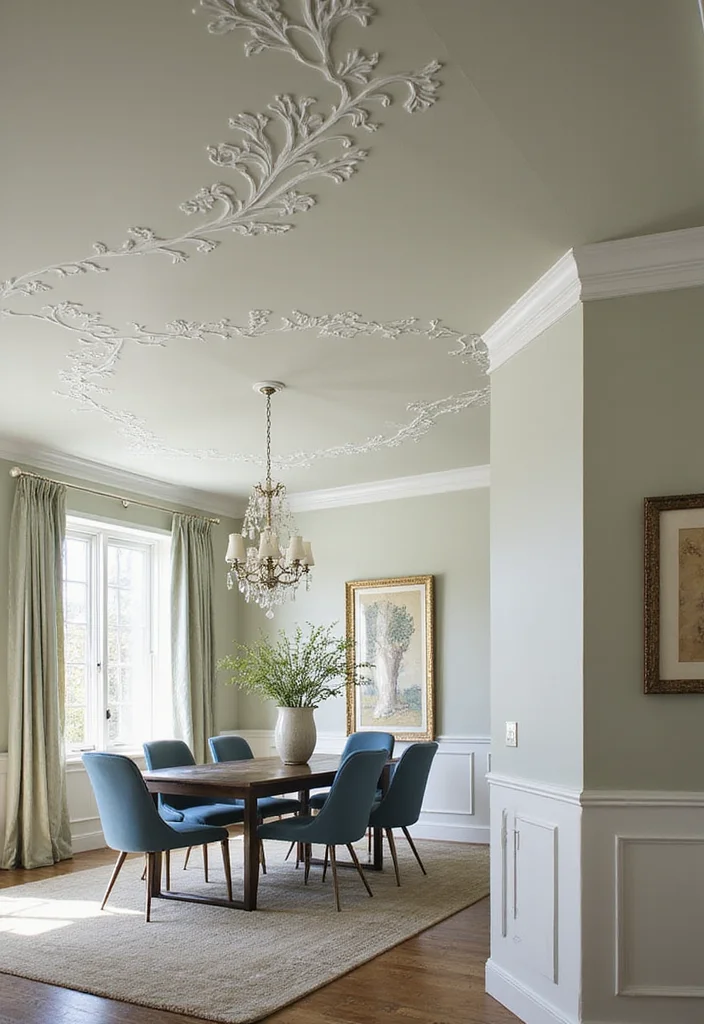
Often neglected, the ceiling can dramatically transform your decor when given the attention it deserves. A well-coordinated ceiling can tie together your room’s aesthetic beautifully. Consider painting the ceiling in the same shade as the walls for a seamless effect or opting for a lighter tone to create an airy, spacious feel. For a bolder statement, think about unique ceiling treatments like stenciling or subtle murals that add character.
If you’re looking for budget-friendly updates, consider using paint or lightweight decorative tiles to give your ceiling a fresh look. A well-designed ceiling can enhance natural light and draw the eye upward, making your space feel larger and more inviting.
Here are some ideas for ceiling enhancements:
– Install coffered ceilings for a touch of elegance
– Paint the ceiling two shades lighter than the walls for depth
– Use metallic accents for a glamorous focal point
By prioritizing your ceiling as a design element, you create a cohesive space that feels complete and thoughtfully designed.
Prioritizing the Ceiling
Editor’s Choice




4. Harmonizing with Natural Light
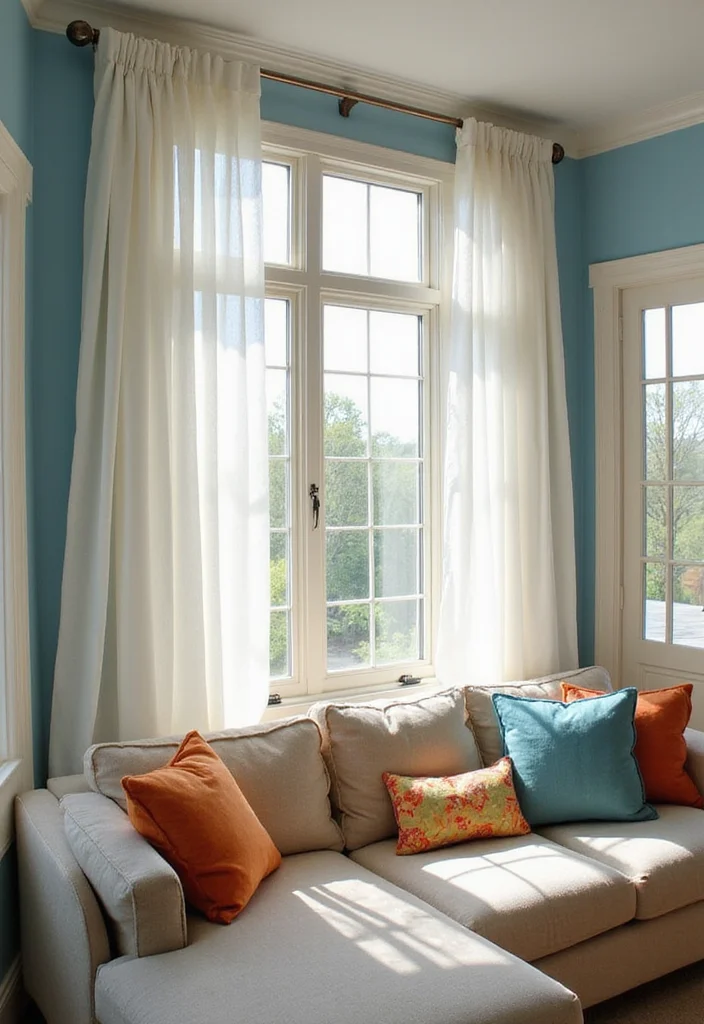
Embracing natural light is essential for coordinating trim, walls, and ceilings effectively. The play of light can transform how colors are perceived, influencing the overall atmosphere of your space. During the day, bright sunlight can enhance bold colors, allowing your room to feel vibrant and alive. On the other hand, softer lights can create warmth and coziness, making your decor feel inviting.
To take advantage of natural light, consider the direction your windows face when selecting your color palette. Using lighter trims and ceiling colors can maximize brightness, while heavier window treatments can create drama without sacrificing style. This attention to light can evoke specific emotions, making your home a more enjoyable place to be.
Here are some tips for harmonizing with light:
– Use sheer curtains to maximize daylight
– Choose a warm white bulb to enhance cozy colors
– Opt for reflective finishes on trims to amplify light
By aligning your color choices with the natural and artificial light in your home, you create a dynamic atmosphere that evolves beautifully throughout the day.
Harmonizing with Natural Light
Editor’s Choice


5. Choosing the Right Trim Style
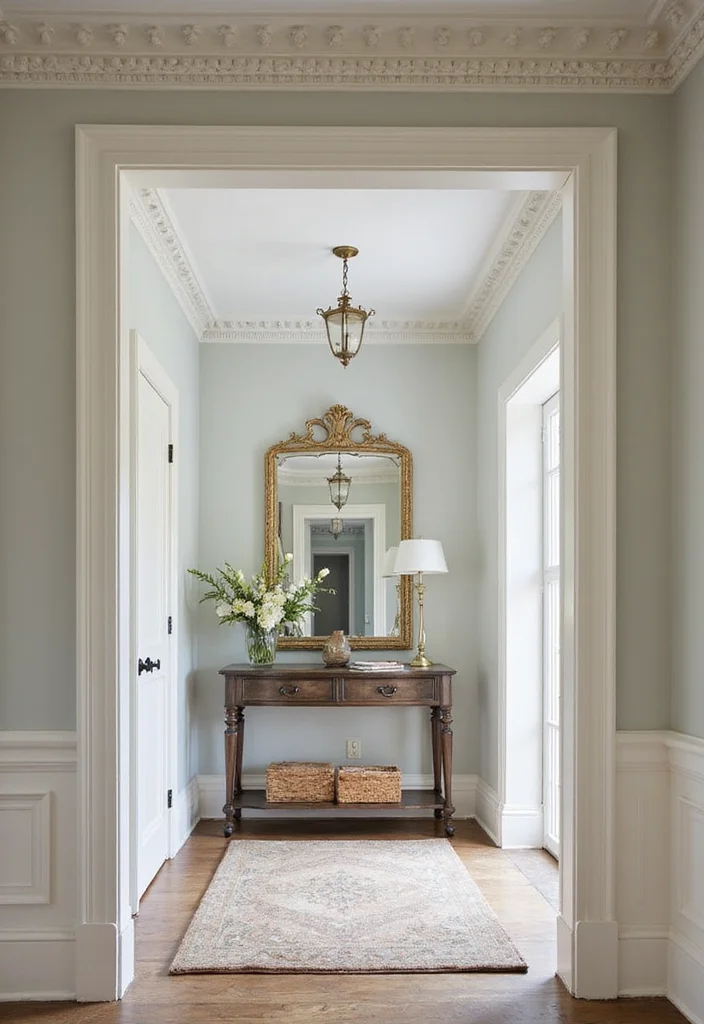
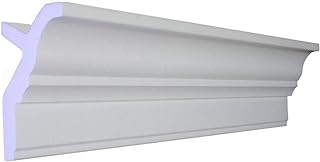
The trim style you choose has a profound impact on your overall decor aesthetic. It can either complement or starkly contrast your walls and ceilings, contributing to the room’s mood and character. Classic trims, like intricate crown moldings and detailed baseboards, impart timeless elegance, while sleek, modern trims offer a more minimalist vibe that suits contemporary spaces.
For budget-conscious homeowners, consider repainting existing trims rather than replacing them. This simple change can elevate your decor without a significant financial investment. Matching your trim style with your overall theme creates a harmonious flow that enhances your home’s aesthetic appeal.
Explore these trim style ideas:
– Select classic moldings for traditional spaces
– Use flat trims for a modern look
– Experiment with colored trims for a bold statement
Choosing the right trim style not only enriches your decor but also enhances the entire atmosphere of your home.
Choosing the Right Trim Style
Editor’s Choice


You might also like

6. The Impact of Scale and Proportion
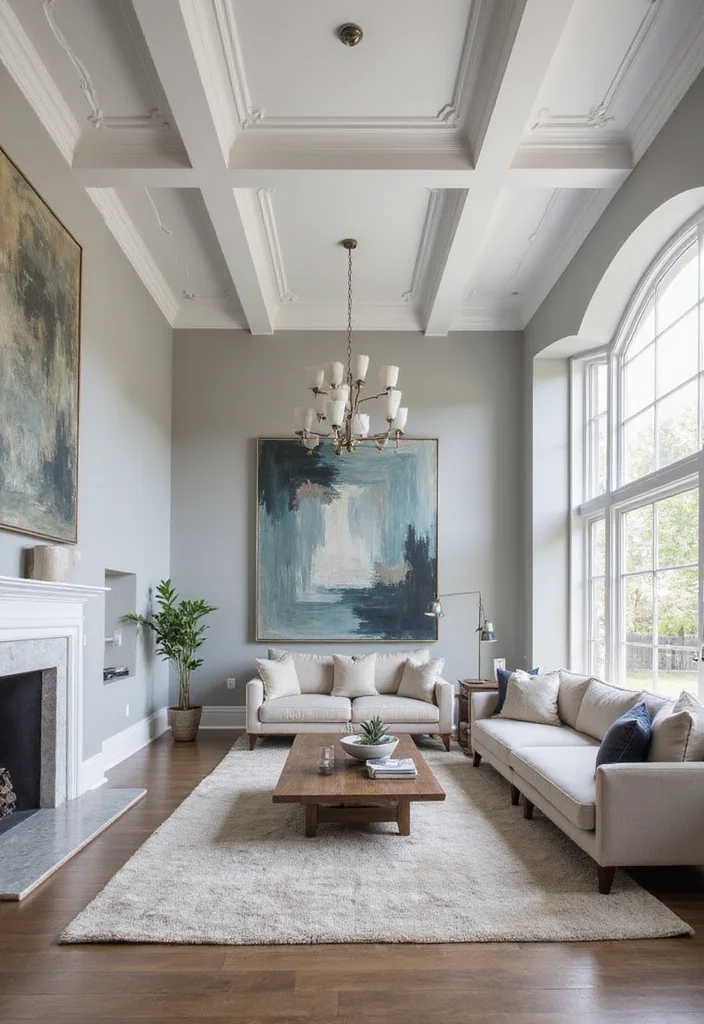
Understanding scale and proportion is crucial for achieving a well-balanced decor. The relationship between your trim, walls, and ceilings with furniture and decor items can either elevate or disrupt the overall look. In rooms with high ceilings, larger crown moldings can make a strong statement, while shorter ceilings benefit from simpler, less bulky trims that maintain a sense of openness.
When selecting furniture, ensure that it complements your color scheme and the room’s dimensions. Oversized pieces might overshadow your walls, while smaller items may get lost against bold colors. Keeping proportions in mind when choosing accessories ensures a cohesive and inviting atmosphere.
Consider these guidelines for scale and proportion:
– Use tall furniture in high-ceilinged rooms for balance
– Choose large art pieces to anchor the space
– Select decor items that match the room’s scale
By mindfully considering scale and proportion, you curate an environment that feels intentional and beautifully coordinated.
7. Seasonal Updates with Color
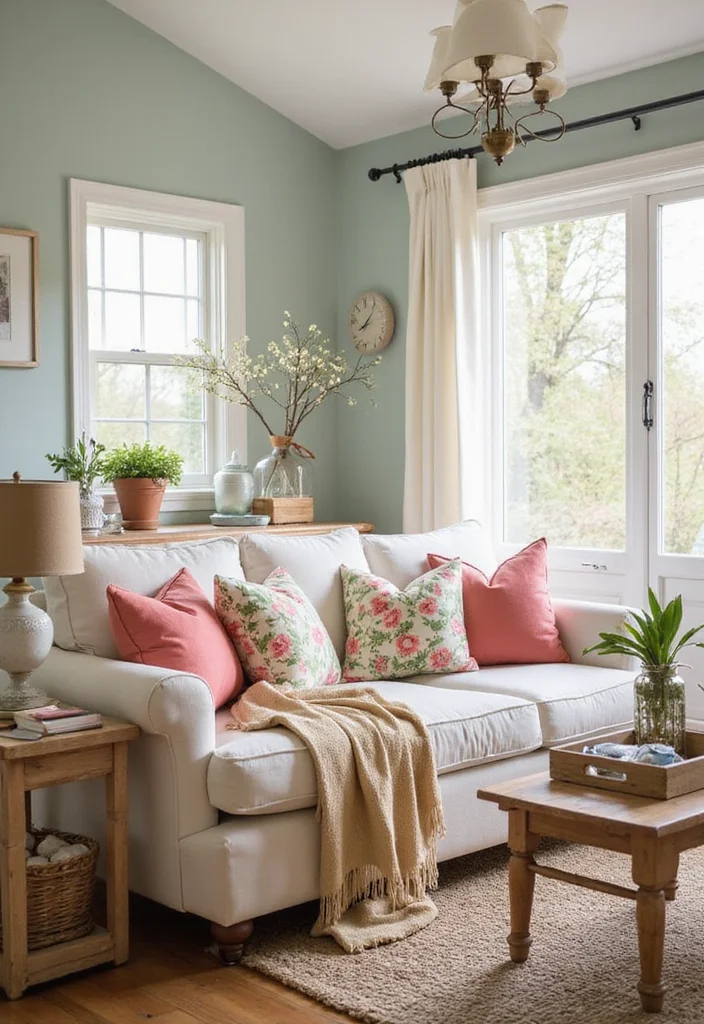
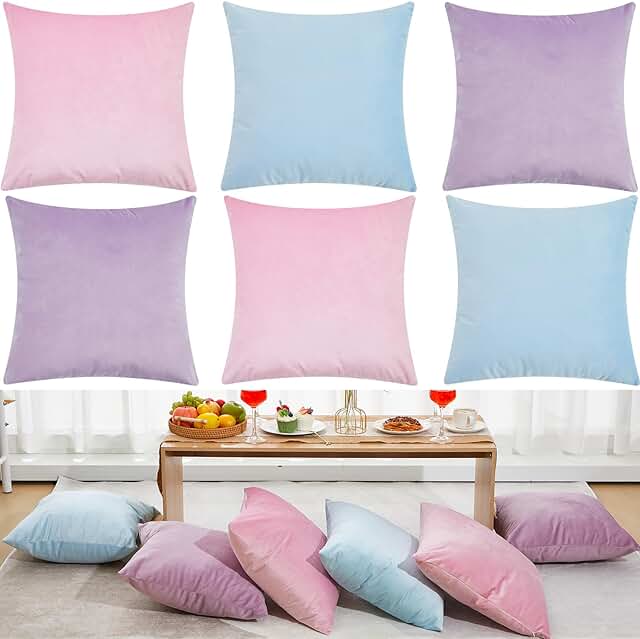
Your home decor can evolve with the seasons, allowing you to refresh your space with temporary color updates. During spring and summer, embrace lively, bright hues to energize your rooms. Light pastels can breathe new life into your decor, especially when paired with coordinating trim and ceiling accents. In contrast, fall and winter invite richer tones, like deep greens and warm burgundies, to create a cozy atmosphere.
These seasonal updates don’t have to involve extensive renovations. You can easily swap decor elements like throw pillows, blankets, or artwork to reflect changing trends without committing to permanent paint jobs. This approach keeps your space feeling fresh and allows for creative expression.
Here are some ideas for seasonal updates:
– Switch to light pastel cushions in summer
– Introduce rich textiles in fall for warmth
– Use seasonal artwork to reflect your style
Seasonal updates not only keep your home inviting but also allow you to showcase your personal style in a playful way.
Seasonal Updates with Color
Editor’s Choice




8. Utilizing Color Theory
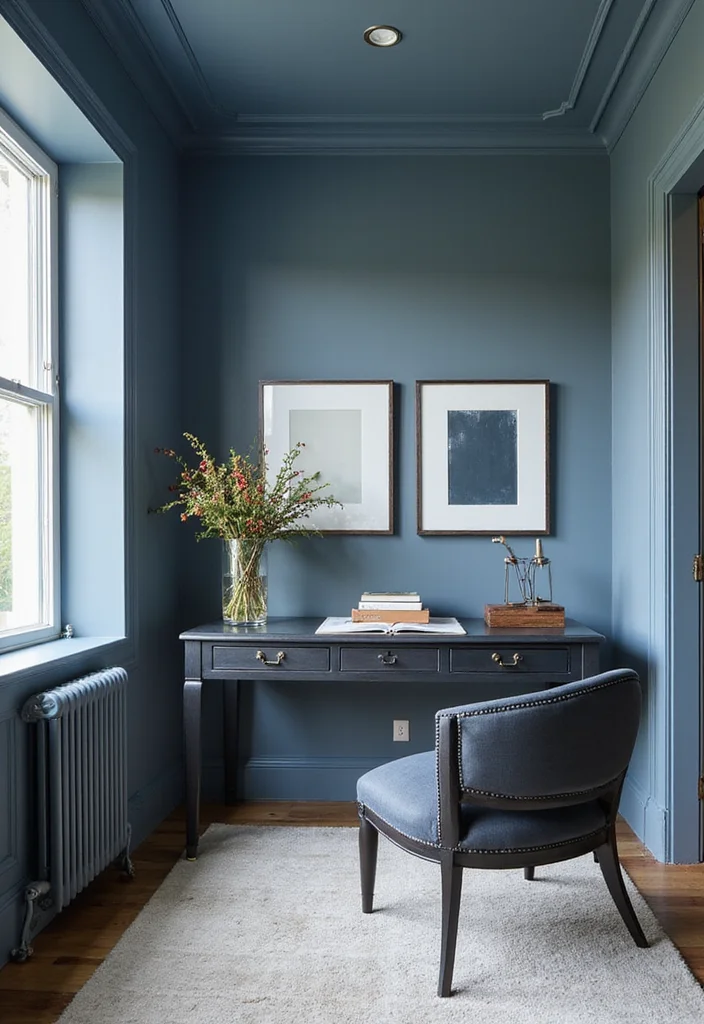
A solid understanding of color theory can greatly enhance your decor coordination efforts. By applying these principles, you can create a balanced and engaging environment. Using complementary colors—those opposite each other on the color wheel—like blue and orange can create a vibrant look. This technique works well in trim coordination, helping to emphasize your wall colors effectively.
Analogous colors, which sit next to each other on the wheel, such as blue, green, and teal, provide a harmonious appearance that can unify your space. For a more serene atmosphere, consider a monochromatic scheme that utilizes different shades of a single color, creating a cohesive and polished look.
Incorporate these color theory strategies:
– Use complementary colors for dynamic contrast
– Choose analogous colors for a cohesive feel
– Explore monochromatic shades for elegance
By leveraging color theory, you elevate your decor choices, ensuring a thoughtfully designed home that delights the senses.
9. Personal Touches in Decor
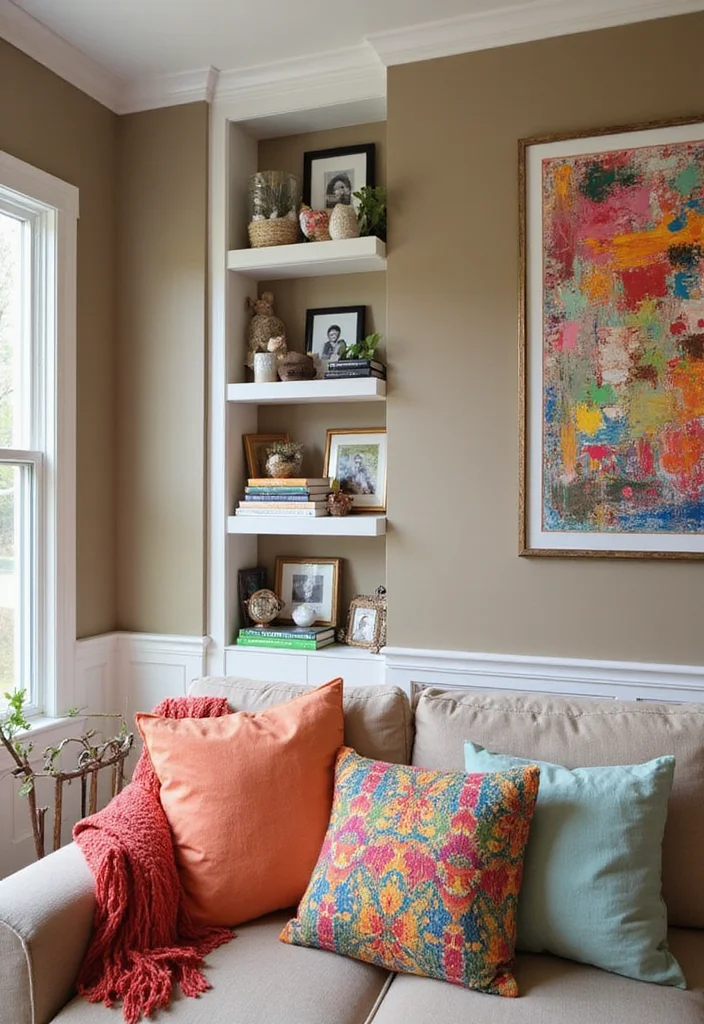
Your home should reflect your unique personality, so adding personal touches is essential in creating a warm and inviting atmosphere. Incorporating art pieces that resonate with you—whether family photos, colorful paintings, or handmade crafts—can tell your story and enrich your decor. These personal elements tie the room together while infusing it with character.
Sentimental accessories, like travel souvenirs or family heirlooms, add depth and meaning to your decor. Choose colors that align with your palette to maintain cohesion while celebrating your individuality. Seasonal decor updates can also present opportunities to express your style in refreshing ways.
Consider these personalizing strategies:
– Display family photos as a cohesive gallery
– Integrate sentimental items that tell your story
– Rotate seasonal decor for a fresh feel
Incorporating personal touches makes every room uniquely yours, allowing your home to be a true expression of your style.
10. Final Thoughts: A Cohesive Space
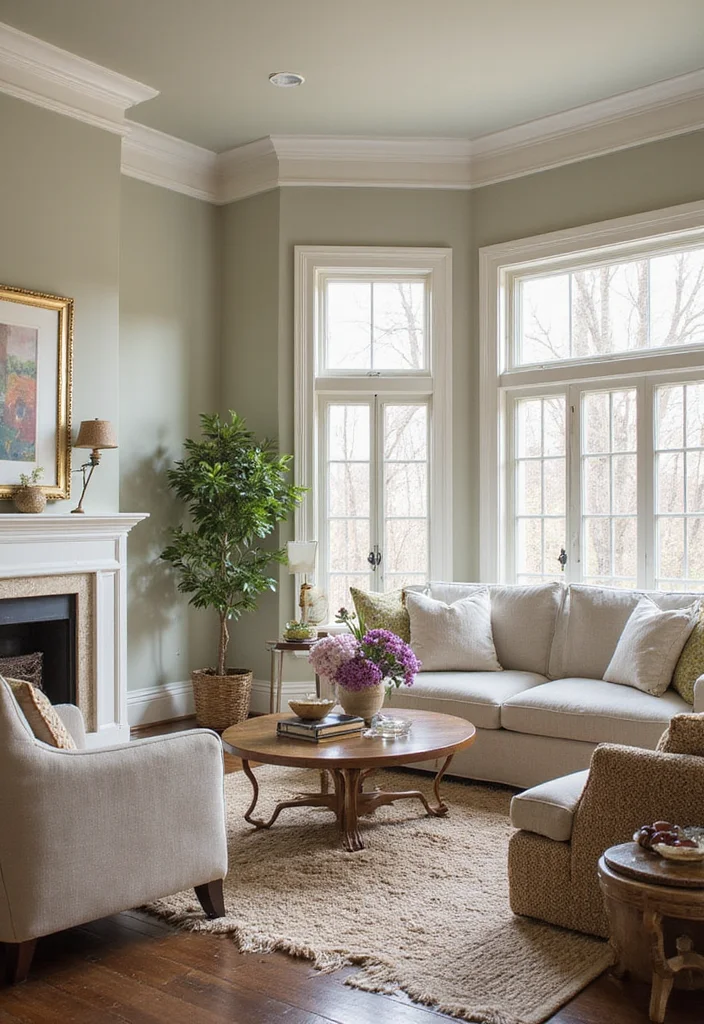
Creating a cohesive space through trim and wall coordination involves thoughtful planning and an eye for detail. By embracing the principles outlined in this guide, you can master the art of color and texture, ensuring your home is a true reflection of your style. Focus on selecting a harmonious color palette while experimenting with textures that enhance your space.
Don’t overlook the ceiling; when coordinated effectively with walls and trim, it can become a powerful design element. Adding personal touches and seasonal updates brings charm and character to your home, allowing you to express your unique taste. Embrace this journey of transformation—it’s about creating a home you truly love!
Final Thoughts: A Cohesive Space
Editor’s Choice


Conclusion
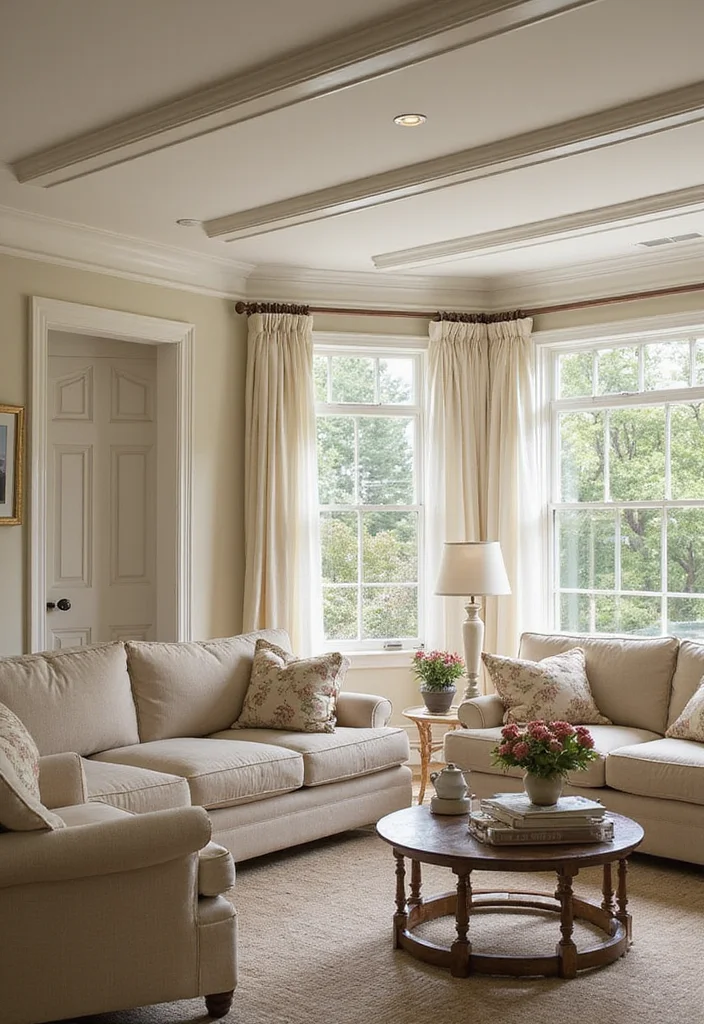
Mastering trim and wall coordination is a creative journey that can transform your living space into a visually stunning oasis. By applying the Principle of Three, you ensure a harmonious flow that reflects your unique style. Each element—trim, walls, and ceilings—works together to enhance the overall beauty of your home. As you embrace these tips, remember that your decor should resonate with who you are. Don’t hesitate to experiment and make it your own!
Note: We aim to provide accurate product links, but some may occasionally expire or become unavailable. If this happens, please search directly on Amazon for the product or a suitable alternative.
This post contains Amazon affiliate links, meaning we may earn a small commission if you purchase through our links, at no extra cost to you.
