
Your home is one of your most valuable assets, and maintaining it properly can save you thousands in repairs. A seasonal maintenance routine helps you stay ahead of problems before they become expensive issues.
Instead of reacting to damage, this guide gives you a simple, structured checklist you can follow throughout the year to keep your home in excellent condition.
There’s a quiet, uncomfortable truth in the world of property development and homeownership: neglect is the most expensive line item in any budget. I’ve walked through multimillion-dollar luxury estates where a simple clogged gutter has rotted a fascia board, and I’ve inspected modest starter homes whose value was preserved beautifully simply because the owner kept a tidy calendar. As a developer, I see the house differently than most. I don’t just see the crown molding or the waterfall island in the kitchen; I hear the hum of the HVAC system, I look for the slight pitch of the ground near the foundation, and I feel the airflow when I open a window. This guide isn’t just a list of chores—it’s a preservation strategy for the biggest asset you’ll likely ever own. A study revealed that 71% of homeowners postpone at least one home maintenance or repair project each year, leading to an average deferred repair cost of over $5,600. Let’s ensure you’re not part of that statistic. We’ll move through the seasons with the precision of a project manager and the eye of a designer, ensuring your home remains as efficient and beautiful as the day it was built—or better.
Related Reading from Lifestyle Leaders Hub
Before we dive into the nitty-gritty, if you’re looking to upgrade the spaces we’re about to protect, check out these essential reads:
- How to Create a Productive Home Office That Boosts Creativity and Focus
- 10 Living Room Mistakes That Make Your Home Feel Cheap (And How to Fix Every Single One of Them)
- Backyard Oasis: Luxury Outdoor Living
- The Power of Texture: How Layering Fabrics and Materials Elevates Any Interior to Luxury Status
Part 1: The Hidden Cost of Deferral—Why This Checklist Matters to Developers and Homeowners Alike
Before we pick up a screwdriver or a ladder, let’s talk about the real estate spreadsheet. Whether you’re planning to sell this property next spring or live in it for the next 30 years, deferred maintenance is a silent killer of equity. It doesn’t just create an expensive repair bill; it actively erodes the asset’s value. In some markets, lack of maintenance can slash a property’s value by as much as 20%.
Think about it from an underwriting perspective: every dollar you don’t spend on a tube of caulk today becomes four dollars spent on mold remediation and drywall replacement tomorrow. Research indicates that every $1 of deferred maintenance can cost up to $4 in future repairs or replacements. Moreover, the annual maintenance cost for a home typically averages around 1% of the property’s value per year. For a $500,000 home, that’s a predictable $5,000 annual budget. But if you skip two years of that and face a $20,000 foundation issue, you’ve just lost 10 years of that budget in one sweep.
From an insurance standpoint, it’s even more brutal. Insurers are not in the business of covering neglect. If damage stems from gradual deterioration or lack of basic upkeep—think a roof leak that has been dripping for six months—your claim can be rejected outright. “When you make a claim, insurers ask for proof of maintenance. Without it, your claim is at risk, even if you’ve paid premiums for years,” explains Marc du Plessis, CEO of LookSee.
As a developer, I don’t just see a house; I see a system of interconnected parts. The roof protects the walls, the walls protect the mechanicals, and the mechanicals protect the air you breathe. When one fails, it cascades. Let’s stop the cascade before it starts.
Part 2: Spring—The Season of Discovery and Renewal (March – May)
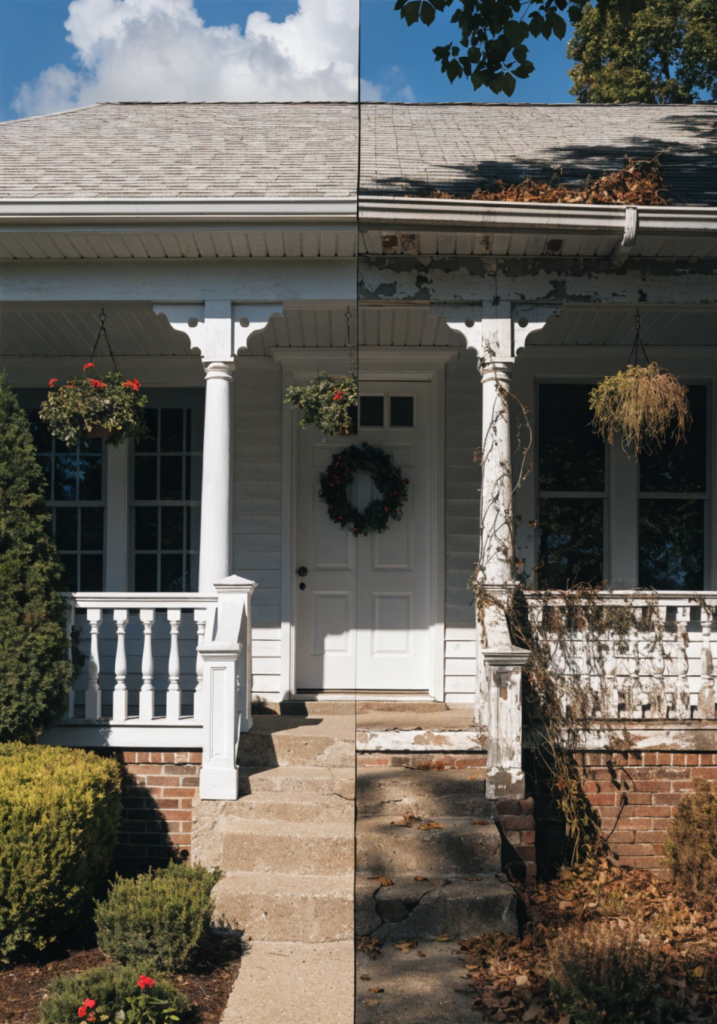
After the freeze-thaw cycles of winter, spring is the developer’s inspection period. This is when the true condition of the building envelope is revealed. Walk the property like you’re doing a punch list on a new build. Your primary goals are drainage and air flow.
The Exterior Shell Inspection (Developer’s Priority)
Winter is harsh on materials. Concrete expands and contracts, shingles curl, and caulk dries out and cracks. Start with a slow walk around the entire perimeter of the house.
Foundation and Hardscape:
Look for vertical cracks larger than 1/8 inch or any horizontal displacement. Small hairline cracks are normal settling, but stair-step cracks in brick or block are red flags for soil movement. Ensure the soil grade slopes away from the foundation. Over time, soil settles and creates a bowl effect that funnels water directly into your basement or crawl space. Add topsoil as needed to maintain a 6-inch drop over the first 10 feet away from the house.
Roof and Gutters:
Even if you have “gutter guards,” you need to look up. Heavy snow and ice dams can lift flashing and dislodge shingles. Look for granular loss (those little pebbles in the driveway are from your roof aging). Clean out all gutters and downspouts. A clogged downspout will cause water to cascade over the gutter edge, saturating the soil next to the foundation and leading to basement leaks. Ensure downspout extensions discharge water at least 4-6 feet away from the foundation
Siding and Paint:
Look for bubbling paint—this indicates moisture trapped behind the siding. Use a pressure washer on a low setting to clean siding and decks. As an interior designer, I can tell you that a clean exterior makes the interior look even better. It’s the framing of the picture.
The Interior Mechanical Awakening
HVAC System:
Before the first 85-degree day, have your air conditioning system serviced by a licensed technician. A dirty condenser coil can increase energy consumption by up to 30%. Replace your air filters. This is the single most cost-effective thing you can do for indoor air quality and equipment longevity. I recommend upgrading to a MERV 11 or 13 filter (if your system can handle the static pressure) to catch pollen and fine dust.
Plumbing Check:
Turn on the outdoor hose spigots for the first time. Did you remember to shut them off and drain them last fall? If a pipe is split inside the wall, you’ll find out now. Check for leaks around toilets and under sinks. A running toilet can waste 200 gallons of water per day—enough to double a water bill unnoticed.
Safety and Pest Control:
Test every smoke alarm and carbon monoxide detector. Replace batteries even if they “seem fine.” Spring is also the time to look for signs of termites, specifically mud tubes on foundation walls. In many regions, termites cause more property damage than fires and storms combined.
Spring Maintenance Checklist: At a Glance
☐ Inspect roof for missing shingles and flashing integrity.
☐ Clean gutters and extend downspouts away from foundation.
☐ Service HVAC system and replace filters.
☐ Check hose bibs for freeze damage.
☐ Pressure wash decks, driveways, and siding.
☐ Test smoke/CO detectors and check fire extinguisher gauges.
☐ Inspect attic for signs of moisture or pest intrusion.
Part 3: Summer—Defending the Perimeter and Managing Humidity (June – August)
Summer is the season of extremes: extreme heat, extreme storms, and extreme pest pressure. As a developer, I focus on the thermal envelope of the house. The goal here is to keep the heat out, the cool air in, and the bugs away.
The Deck and Hardscape Audit
If you have a wood deck or fence, summer is the time to check for rot. Take a screwdriver and press it into the wood near the ground line and where boards meet. If the wood feels soft and spongy, you have moisture rot. This is a safety issue, especially for railings. Apply a fresh coat of water sealant or stain. UV rays destroy the lignin in wood fibers just as much as water rots them. In dry, hot climates like Utah, you’ve got to deal with super hot summers and low air humidity, which means wooden materials can crack and warp quite quickly if not treated
HVAC Efficiency and Attic Ventilation
Your attic is the heat sink of the house. On a 90-degree day, an improperly ventilated attic can reach 150 degrees Fahrenheit. That radiant heat pushes down into your living space, making your AC work twice as hard. Check your attic ventilation. Are the soffit vents blocked by insulation? If so, install rafter baffles to keep airflow moving. Ensure the bathroom exhaust fans are venting outside and not just dumping moist air into the attic space. I’ve seen entire roof decks rot from the inside out due to a bathroom fan venting into the attic.
Pest Prevention: Sealing the Envelope
Critters love the cool shade of your foundation in the summer. Walk the perimeter and seal any gaps where pipes or wires enter the house. Use copper mesh or expanding foam to block rodent entry points. Mice can squeeze through a hole the size of a dime. Keep bushes and tree branches trimmed back at least 12 inches from the siding to prevent a “highway” for ants and carpenter bees.
The Grout and Caulk Check
Summer humidity causes wood to swell. This is when poorly sealed showers and tubs show their true colors. As an interior designer, I cannot stress enough how important it is to maintain the integrity of your wet area seals. A small crack in the grout of a shower floor can lead to a $10,000 subfloor replacement in a few years. Recaulk tubs and sinks, and if grout is cracked or missing, repair it immediately.
Summer Maintenance Checklist: At a Glance
☐ Inspect deck and fence for rot; seal or stain as needed.
☐ Check attic ventilation and insulation depth.
☐ Trim trees and shrubs away from the house (minimum 12-inch clearance).
☐ Clean dryer vent and exhaust duct (fire hazard prevention).
☐ Inspect and seal gaps in foundation and around pipe penetrations.
☐ Recaulk showers, bathtubs, and kitchen sinks.
☐ Reverse ceiling fan direction to counter-clockwise (cooling mode).
Part 4: Fall—The Crucial Six Weeks of Winterization (September – November)
If you only do one season of maintenance a year, let it be Fall. This is the developer’s deliverable deadline before winter weather makes work impossible. What you do in October will determine whether you have a cozy winter or a disaster of frozen pipes and ice dams. Autumn maintenance helps you prevent winter-related damage before temperatures drop and is one of the most important seasons for home maintenance
Water: The Ultimate Enemy
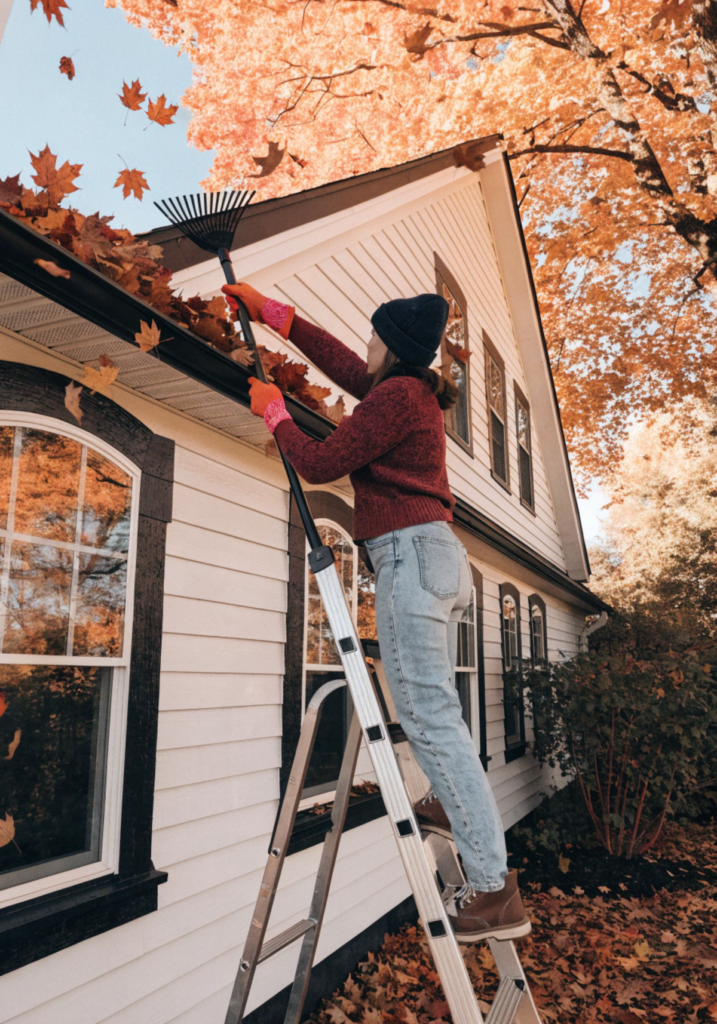
Water in liquid form is manageable. Water in solid form (ice) is a wrecking ball. Drainage is everything. Clean the gutters again after 90% of the leaves have fallen. Check the roof for cracked or missing tiles and ensure flashing is secure. This is non-negotiable.
Winterizing Plumbing: Disconnect all garden hoses. Drain the exterior spigots (hose bibs) and shut off the interior valve if you have one. Install insulated covers over the exterior faucets. Exposed pipes in unheated areas like garages or crawl spaces need to be wrapped in heat tape or foam insulation. Check pipework is properly lagged to prevent freezing. If you’re in a colder climate, a burst pipe can release 4-8 gallons of water per minute, destroying floors, drywall, and personal property in hours.
The Heating System Tune-Up
Before you flip the switch from “Cool” to “Heat,” have the furnace or boiler serviced. Have the boiler serviced and a gas safety check carried out (an annual legal requirement for landlords in many jurisdictions). Change the furnace filter. If you have a fireplace or wood stove, have the chimney professionally swept. Creosote buildup is the leading cause of chimney fires. Make sure the damper closes tightly to prevent warm air from escaping up the flue when not in use.
Sealing the Thermal Envelope
Walk around the house on a cool, breezy day and feel for drafts. Pay special attention to electrical outlets on exterior walls (they can be huge sources of cold air). Install foam gaskets behind the outlet covers. Apply new weatherstripping to doors and windows. Make sure window and door seals and locks are in good condition. If you have a door that sticks in the summer but closes fine in the winter, you likely have a foundation issue that needs monitoring.
Fall Maintenance Checklist: At a Glance
☐ Final gutter cleaning after leaf drop.
☐ Drain and winterize outdoor faucets and irrigation systems.
☐ Professional furnace/boiler service and chimney sweep.
☐ Inspect and replace weatherstripping on doors and windows.
☐ Insulate exposed pipes in garage, attic, and crawl space.
☐ Test sump pump and battery backup.
☐ Store or cover outdoor furniture and grills.
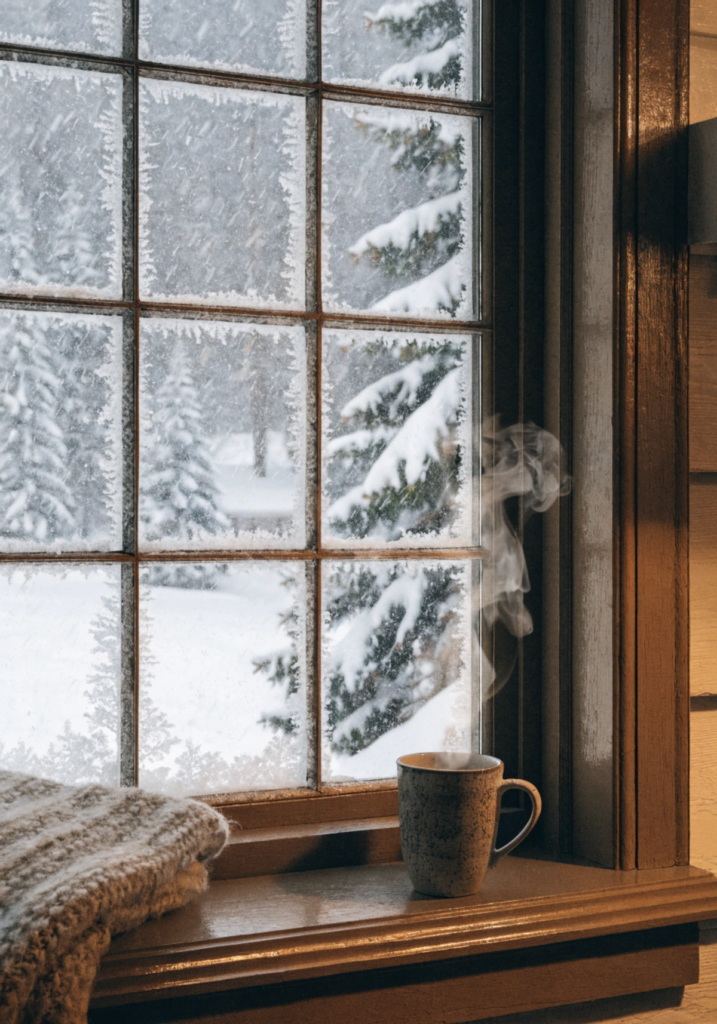
Part 5: Winter—Monitoring and Managing the Interior Environment (December – February)
Winter is the season for indoor maintenance and observation. You can’t do much on the roof safely, but you can protect your asset from the inside. The focus here is on air quality and moisture management.
Ice Dams and Attic Frost
After a heavy snow, look at your roof. If you see patches of bare shingles while your neighbor’s roof is still covered in snow, it means heat is escaping from your attic, melting the snow, and causing it to refreeze at the eaves (creating an ice dam). In frigid climates, temperature extremes and snow buildup create different hazards, and inspectors check for ice dams on roofs that can lead to water intrusion. This is a sign you need more attic insulation and better air sealing of the attic floor.
Indoor Air Quality (IAQ)
With windows sealed shut for months, indoor air can become more polluted than outdoor air. Change your furnace filter monthly during heavy-use periods. Check and clean bathroom exhaust fans to ensure they are removing moisture effectively. High indoor humidity in winter leads to condensation on windows, which leads to mold on the sills. Use a dehumidifier in the basement if needed, or a humidifier in the living space if the air is too dry (which causes wood floors to shrink and gaps to appear).
Emergency Preparedness
Know where your main water shut-off valve is. If a pipe bursts, you don’t want to be fumbling around looking for it. Keep the cabinet doors under sinks open during extreme cold snaps to let warm air circulate around the pipes. Ensure your sump pump discharge line isn’t frozen shut. Snow and ice can block the outlet, causing the pump to burn out just when you need it most during a winter thaw.
Winter Maintenance Checklist: At a Glance
☐ Monitor roof for ice dams; use a roof rake if necessary.
☐ Check attic for frost buildup (sign of ventilation issues).
☐ Keep exhaust vents and dryer vents clear of snow.
☐ Test all GFCI outlets (kitchen, bath, garage, exterior).
☐ Deep clean range hood and kitchen exhaust filters.
☐ Flush water heater to remove sediment.
☐ Keep a home inventory updated for insurance purposes.
Part 6: Budgeting for Longevity—The Developer’s Financial Model
As a developer, I model my pro-forma on CapEx Reserves. You should do the same for your home. A helpful rule of thumb for home maintenance, repairs, and costs is to set aside 2% to 4% of your annual income or the property’s value each year for maintenance costs. Putting that money in a high-yield savings account ensures it earns interest but stays accessible for emergencies
Approximate Annual Maintenance Budget Guide (2026 Estimates):
| System | Annual Budget (Approx.) | Key Tasks |
| Roof & Gutters | $150 – $500 | Twice-yearly cleaning, minor shingle repairs |
| HVAC System | $200 – $400 | Two professional tune-ups, filter replacements |
| Plumbing | $100 – $300 | Water heater flush, leak checks, toilet parts |
| Exterior (Paint/Siding) | $300 – $1,000+ | Touch-up paint, caulking, power washing |
| Landscaping/Trees | $200 – $600 | Trimming, mulching, pest control |
| Safety Systems | $50 – $100 | Batteries, detector replacement, fire extinguisher checks |
Pro Tip: Track Everything
Keep a digital folder or a dedicated email account for your home. Every time you fix something, upload a photo of the receipt or a screenshot of the work done. This creates a Service Log. When you go to sell, this log is worth its weight in gold to a nervous buyer. It proves the house was loved, not just lived in. A home with a complete service history is a home that commands a premium price
Part 7: Special Considerations for Property Developers and Investors
If you’re a developer holding a property for rental or resale, the stakes are different. You’re not just maintaining a home; you’re maintaining a revenue stream. Preventive maintenance ensures you avoid the costly cycle of reactive maintenance, where you’re scrambling to address issues that could have been prevented with regular upkeep
The Landlord’s Legal Lens
In many jurisdictions (especially the UK and parts of the US), landlords have a legal obligation to ensure the property is safe and habitable. Fixing hazards and avoiding damp and mould is becoming particularly important with evolving housing standards. A simple $200 roof patch for a small leak can deteriorate into a $20,000 roof replacement in just one season if left unaddressed. More importantly, a tenant living in a moldy home is a lawsuit waiting to happen.
The “Builder’s Walk” for Investors
If you are a developer who owns multiple properties, consider a semi-annual drive-by in addition to the seasonal checks:
- After heavy storms: Check the outside of the property and the garden for any damage.
- Change of seasons: Walk the perimeter looking for changes in grading or new cracks.
- Vacancy periods: Use the time between tenants to check for hidden leaks, repaint, and service the HVAC.
Regional Climate Adjustments
I’ve built homes in the dry heat of the Southwest and the humid cold of the Northeast. There is no universal checklist. Your ZIP code dictates your maintenance priorities:
- Hot/Dry Climates (e.g., Southwest): Check stucco for cracks from thermal expansion, and ensure HVAC condensate lines are clean to prevent water backup.
- Cold/Snowy Climates (e.g., Northeast, Midwest): Insulate pipes, prevent ice dams, and check roof snow load capacity.
- Coastal/Humid Climates: Watch for wood decay in crawl spaces, window frames, and rust on metal fixtures from salt exposure. The EPA recommends keeping indoor relative humidity below 60% to prevent mold growth

More from Lifestyle Leaders Hub
Now that you’ve protected the structure, let’s make the inside shine:
- Elevate Your Greenery: The Art of Painted Flower Pots for Modern Spaces
- The Rise of Community Fitness — because a healthy home is one thing, a healthy body is another!
Conclusion: The Elegance of a Well-Kept Home
As we wrap up this annual journey, I want you to look at your home the way I do when I walk through a newly completed development. It’s not about the flashy chandelier or the marble countertop. It’s about the quiet, confident hum of a well-maintained machine. It’s the sound of clean water moving efficiently through copper pipes, the silent insulation holding warmth in the walls, and the sturdy roof shedding rain as designed.
A home that follows this seasonal checklist doesn’t just save you money on emergency repairs—though it will. It gives you a profound sense of peace. It’s the difference between living in a house and stewarding a home. It’s the ultimate expression of sustainable luxury. And when the time comes to sell, whether next year or in three decades, you’ll find that the market always rewards the homeowner who paid attention to the details that others ignored. Don’t just live in your home—protect it, enhance it, and let it elevate your lifestyle.
What’s the first task on your list for this season? Drop a comment below and let’s hold each other accountable!

Fene Radebe is the founder of Lifestyle Leaders Hub, a lifestyle destination covering home décor, fitness, food, beauty, and fashion. A seasoned property developer and interior designer, Fene curates expert-driven content to help readers elevate their everyday lives with purpose and style.